

Why Uganda Attracts Thousands of Tourists Every Year
February 27, 2026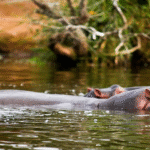
The Reawakening of Uganda Tourism
March 3, 2026
Uganda Wildlife Conservation Stories
There was a time when Uganda’s wilderness was quieter than it should have been. Poaching, civil instability, and habitat loss had pushed some of Africa’s most iconic species to the brink. But today, something remarkable has happened.
Uganda is no longer just a destination. It is a conservation success story in motion.
And when travellers choose to explore this country with Otter African Safaris, they are not just going on safari; they are stepping into one of Africa’s most inspiring wildlife recovery journeys.
The Mountain Gorilla Comeback: A Global Conservation Triumph
High in the misty forests of Bwindi Impenetrable National Park and Mgahinga Gorilla National Park lives one of the world’s rarest primates, the mountain gorilla.
In the 1980s, mountain gorillas were critically endangered. Their population had dropped dangerously low due to poaching and habitat destruction. Through strict protection, veterinary intervention, and revenue-sharing from gorilla tourism, Uganda helped reverse the decline.
Today, mountain gorilla numbers have increased, a rare conservation victory, steadily globally.
How This Promotes Tourism
Gorilla trekking is now one of the most sought-after wildlife experiences in the world. Travellers fly across continents for the privilege of spending one hour with a habituated gorilla family.
When clients visit:
- They participate in regulated, low-impact tourism.
- Their permit fees directly fund conservation and community development.
- They witness conservation working in real time.
With Otter African Safaris, clients receive:
- Seamless gorilla permit processing.
- Expert local guides trained in conservation interpretation.
- Carefully curated lodges that support sustainability initiatives.
This is not a zoo visit. It is an intimate encounter with a conservation miracle.
The Rhino Reintroduction – Restoring a Missing Giant
Uganda once lost its rhinos completely. By the early 1980s, they had been wiped out.
Then came the reintroduction efforts at Ziwa Rhino Sanctuary.
Starting with just a few individuals, Uganda began rebuilding its rhino population through strict security, scientific breeding management, and community engagement.
Today, rhinos roam protected land, a powerful symbol of restoration.
Why This Matters for Tourism
Rhino tracking at Ziwa offers:
- Guided walking safaris are a rare, immersive experience.
- Conservation education from trained rangers.
- Direct support for rhino expansion plans into larger national parks.
Visitors don’t just see rhinos. They become part of a national restoration effort.
The Elephant and Lion Recovery in Queen Elizabeth National Park
During the 1970s and 80s, elephant populations in Queen Elizabeth National Park dropped drastically due to ivory poaching.
Today, thanks to anti-poaching patrols and community engagement programs, elephant numbers have rebounded significantly. Tree-climbing lions in Ishasha and healthy predator populations are further proof that ecosystem stability is returning.
Tourism Impact
Wildlife numbers directly influence safari quality. With growing populations:
- Game drives offer higher sighting success.
- Boat safaris along the Kazinga Channel provide dense concentrations of hippos and elephants.
- Birdlife flourishes with over 600 species recorded.
Clients experience a thriving ecosystem, not a depleted one.
Chimpanzee Protection in Kibale Forest
Kibale National Park is often called the “Primate Capital of the World.” But chimpanzees once faced habitat pressure and hunting threats.
Through habituation programs, research partnerships, and tourism regulation, chimpanzee populations have stabilised.
Today, chimp trekking:
- Funds research initiatives.
- Supports surrounding communities.
- Protects forest habitat.
Travellers witness intelligent social dynamics while knowing their presence contributes to long-term protection.
Why Conservation Success Makes Uganda a Premium Safari Destination
Conservation stability equals tourism confidence.
Uganda now offers:
- Mountain gorillas.
- Chimpanzees.
- The Big Five (including rhinos through Ziwa).
- Over 1,000 bird species.
- Diverse ecosystems from the savannah to the rainforest.
But beyond wildlife numbers, visitors gain:
1. Authenticity
Uganda remains less commercialised than other safari destinations.
2. Community Connection
Tourism revenue-sharing programs improve schools, healthcare, and livelihoods near parks.
3. Impact Travel
Clients become contributors to conservation rather than passive observers.
What Potential Clients Get with Otter African Safaris
Choosing Otter African Safaris means:
- Strategic itinerary design across Uganda’s key conservation landscapes.
- Professional safari guides with ecological knowledge.
- Gorilla and chimp permit handling.
- Conservation-aligned lodges.
- Responsible travel practices.
- Seamless logistics from arrival to departure.
Most importantly, clients gain the understanding that their safari directly supports wildlife protection.
Uganda: A Living Conservation Classroom
Uganda’s wildlife story is not about what was lost.
It is about what was rebuilt.
It is about communities protecting gorillas because tourism gives them economic alternatives.
It is about rhinos returning to a land that once lost them.
It is about elephants roaming freely again.
And when travellers stand face-to-face with a silverback gorilla in Bwindi, they are not just taking a photo.
They are witnessing resilience.
Ready to Be Part of the Story?
If you are looking for:
- A transformational gorilla trekking experience.
- Ethical wildlife safaris.
- Authentic African adventure.
- Travel that makes a measurable impact.
Then Uganda is calling.
And Otter African Safaris is ready to guide you through it.
Start your conservation journey today.
Contact Otter African Safaris and let’s design your custom Uganda safari where every game drive supports a greater mission.
Uganda isn’t just a destination.
It’s a conservation success story waiting for you to step into it.
Contact us: info@otterafricansafaris.com or otterafricansafaris94@gmail.com
Visit: www.otterafricansafaris.com
Call: +256773945555 or +256773932802.
