
Which Animals Are Most Difficult to Spot on a Safari in East Africa (And Why)
June 17, 2026
10 Moments That Define an African Safari
June 18, 2026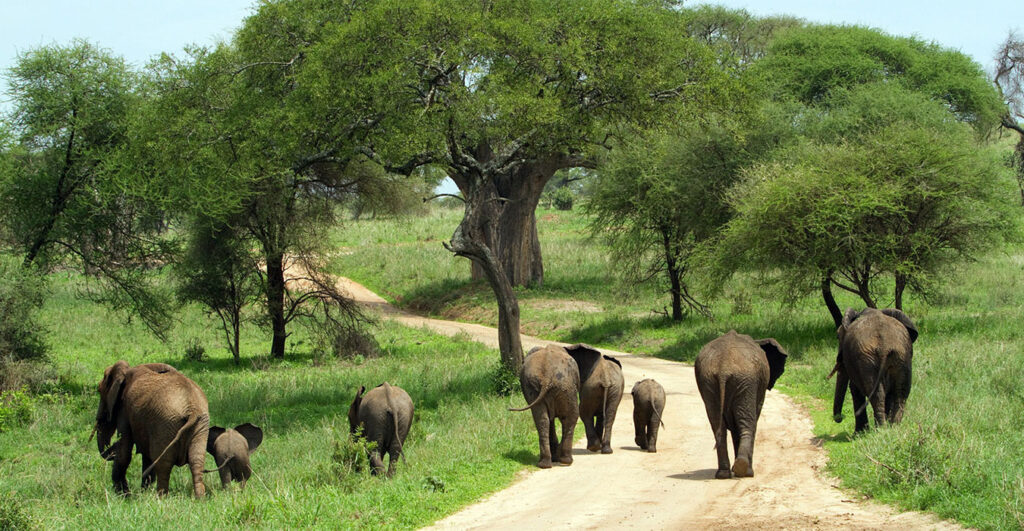
Biggest Safari Misconceptions
Picture this: a woman named Samntha sat across from us last year, twisting her travel itinerary in her hands, and confessed she’d almost cancelled her safari three times. Not because of the cost. Not because of the long flights. But because of everything she’d heard from a cousin’s friend, a forum thread at 2 a.m., a documentary that made the Serengeti look like a war zone. By the time she boarded her flight to Uganda, she was bracing for malaria, lions at her tent door, and a holiday that would leave her broke and exhausted.
She came home tanned, grinning, and already planning her next trip.
Samantha’s story isn’t unusual. At Otter African Safaris, we’ve welcomed thousands of travellers who arrive carrying a backpack full of myths and leave having dropped every single one of them in the bush. So let’s do what we do best: take you on a journey, this time through the misconceptions that almost keep people from the adventure of a lifetime.
Myth One: “Safaris Are Only for the Ultra-Wealthy”
This is the big one. The word “safari” conjures images of private jets, $2,000-a-night lodges, and champagne breakfasts served by a butler named Jeeves. And yes, that safari exists if you want it.
But it’s far from the only option. Across East Africa, budget-friendly camps, mid-range lodges, and small group tours make it possible to experience the Big Five without remortgaging your house. A guided group safari in Uganda or Kenya can cost less than a week at a European ski resort. The secret most people don’t know? You’re not paying for luxury alone; you’re paying for access to wilderness that simply can’t be mass-produced. There’s only one Maasai Mara. There’s only one Bwindi Impenetrable Forest. Scarcity, not extravagance, is what drives the price, and scarcity comes in every budget tier.
Myth Two: “It’s Dangerous, Wild Animals Could Attack at Any Moment”
Here’s where Samantha’s nerves nearly got the better of her. She imagined open-air vehicles, snapping jaws, and guides improvising survival tactics on the fly.
In reality, professional safari guides train for years to read animal behaviour, maintain safe distances, and keep guests secure. Vehicles are positioned with the precision of a chess match, not a gamble. Lions, elephants, and leopards are remarkably uninterested in tourists who stay inside the vehicle and follow simple instructions. The real danger on most safaris isn’t a charging buffalo, it’s sunburn from forgetting your hat. Wildlife encounters are designed to be thrilling, not life-threatening, and guides prioritise your safety as fiercely as they prioritise the animals’ wellbeing.
Myth Three: “You’ll Spend the Whole Trip Itchy, Sick, and Miserable”
Malaria. Stomach bugs. Sleepless nights under mosquito nets in sweltering heat. This is the safari Pinterest doesn’t show you, and for some first-timers, it’s enough to cancel the whole trip.
The truth is more mundane and more comforting. Modern camps and lodges offer screened tents, proper bedding, and increasingly reliable amenities, even in remote areas. Malaria prevention is straightforward with the right medication and repellent, a conversation any travel clinic can walk you through in fifteen minutes. As for the heat? Many safari regions, particularly at higher elevations like parts of Uganda and Rwanda, are pleasantly cool, especially in the early morning game drives when wildlife is most active anyway.
Myth Four: “Safaris Are All the Same, Just Jeeps and Lions”
This misconception might be the most limiting of all, because it shrinks an entire continent’s worth of wonder into a single, repetitive image.
Truthfully, no two safaris look alike. Gorilla trekking through the misty forests of Bwindi feels worlds apart from watching wildebeest thunder across the Mara during the Great Migration. Boat safaris along the Nile reveal hippos and fish eagles you’d never spot from a vehicle. Walking safaris put you eye-level with the bush, engaging senses a jeep window can’t reach. Even within a single country, ecosystems shift dramatically, as savannah gives way to wetland, wetland to rainforest, rainforest to volcanic highlands. A safari isn’t one experience. It’s a library of them, and you get to choose your chapter.
Myth Five: “You Need to Be an Outdoorsy, Athletic Type”
Some travellers assume safaris are reserved for the hardcore adventurer, someone who hikes marathons for fun and sleeps happily on the ground.
In reality, safaris are remarkably accessible. Game drives happen from the comfort of a vehicle seat. Lodges range from simple to genuinely indulgent, complete with pools, spas, and gourmet dining. Families bring children. Retirees bring each other. The only real requirement is curiosity, a willingness to wake up early enough to catch a sunrise over the savannah, because that, more than any physical feat, is what safari memories are made of.
Myth Six: “Once You’ve Seen It in a Documentary, You’ve Basically Seen It”
David Attenborough’s voice is soothing, yes. But nothing, not 4K cameras, not surround sound, replicates the moment an elephant herd crosses the road forty feet from your vehicle, dust rising gold in the late afternoon light. Documentaries compress months of patient filming into minutes of perfection. Real safaris are unscripted, unpredictable, and entirely yours. The silence between sightings, the smell of rain on dry earth, the way your guide suddenly goes quiet and points, these are sensory experiences no screen can deliver.
The Real Story
Samatha’s biggest regret, she told us later, wasn’t anything that happened on her trip. It was the months she spent almost not going, talked out of it by misconceptions that had nothing to do with reality.
That’s the thing about myths: they thrive in the absence of real information, and they evaporate the moment you actually go looking. At Otter African Safaris, we’d rather replace your assumptions with answers, your hesitations with an itinerary, and your “what if” with “remember when.”
So if you’re sitting where Samantha once sat, holding onto a worry that’s kept you from booking, ask us. Chances are, we’ve heard it before, and chances are, we can put it to rest.
Your safari story is waiting to be written. Let’s start the first page together.
Ready to swap misconceptions for memories? Get in touch with Otter African Safaris today, and let’s plan your African adventure.
Contact us: info@otterafricansafaris.com or otterafricansafaris94@gmail.com
Visit: www.otterafricansafaris.com
Call: +256773945555 or +256773932802.
