
A Complete Safari Guide to Queen Elizabeth National Park
March 25, 2026
Kidepo Valley National Park: Uganda’s Last Great Wilderness
March 25, 2026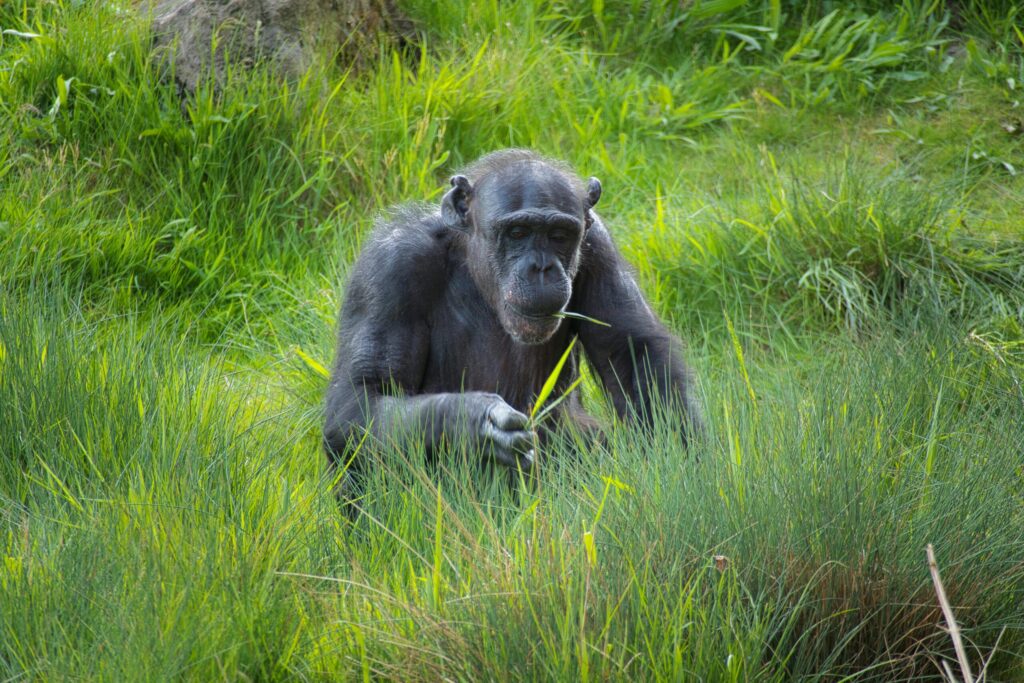
Kibale National Park
Close your eyes for a moment. Imagine stepping into a cathedral of ancient trees, mahogany, fig, and ironwood stretching skyward while the haunting, electric scream of wild chimpanzees reverberates through the canopy above you. The forest floor is damp and dark. Somewhere, not far ahead, a branch snaps. Your ranger raises a hand. You freeze. And then you see them.
This is Kibale National Park, and for wildlife lovers, it is nothing short of a revelation.
Tucked into the foothills of the Rwenzori Mountains in western Uganda, Kibale Forest National Park is widely celebrated as one of the finest primate destinations on the African continent and arguably the world. Whether you are a seasoned safari-goer or embarking on your very first African adventure, Kibale promises encounters that will stay with you for the rest of your life. At Otter African Safaris, we consider it one of Uganda’s absolute crown jewels, and in this guide, we are going to show you exactly why.
Africa’s Primate Capital: The Numbers That Speak for Themselves
Kibale National Park covers approximately 795 square kilometres of lush tropical rainforest interspersed with swamps, grassland patches, and riparian woodland. It sits at an elevation ranging from around 1,100 to 1,600 metres above sea level, creating a rich mosaic of habitats that supports extraordinary biodiversity.
But it is the primates that truly set Kibale apart. The park is home to 13 species of primates, the highest concentration found in any single protected area in all of Africa. Among them are the red-tailed monkey, the black-and-white colobus, the olive baboon, the grey-cheeked mangabey, and the L’Hoest’s monkey. On a single forest walk, you may encounter five or six different species within a matter of hours.
Then, of course, there are the chimpanzees.
“Kibale is home to an estimated 1,200–1,500 wild chimpanzees, one of the highest densities anywhere on Earth, and the best place in the world to track them in their natural habitat.”
Four communities have been fully habituated for tourism, the most famous being the Kanyanchu community, a large group that has been open to visitors since 1993, making Kibale’s chimpanzee trekking programme one of the longest-running in the world. With sighting success rates of around 99%, you are almost guaranteed to come face to face with our closest living relatives.
Chimpanzee Trekking: The Experience of a Lifetime
Chimpanzee trekking in Kibale National Park begins at Kanyanchu Visitor Centre, where your expert Uganda Wildlife Authority (UWA) ranger briefs your small group of no more than six visitors per session on chimpanzee behaviour, safety protocols, and the etiquette of the forest. This intimate group size ensures the encounter feels personal and unhurried. Then, you head into the jungle.
When you find them, you are permitted to spend one uninterrupted hour in their presence. And what an hour it is. Chimpanzees share approximately 98.7% of their DNA with humans, and watching them move, communicate, play, groom, and care for their young is humbling, exhilarating, and profoundly moving all at once.
Practical Information for Chimpanzee Trekking in Kibale
- Permits: USD $300 per person for foreign non-residents (2025 rates).
- Trekking sessions: Morning (08:00) and afternoon (14:00) departures.
- Maximum group size: 6 participants per group.
- Minimum age: 12 years.
- Duration: 2–5 hours of trekking; 1 hour with the chimps.
- Fitness level: Moderate forest terrain can be uneven and muddy.
For those who want to go deeper still, the Chimpanzee Habituation Experience (CHEX) is a full-day immersion alongside researchers and a semi-habituated chimpanzee group. At USD $300 per person, you spend up to four hours with the chimps watching them nest, hunt, and navigate their complex social world. It is the most intimate wildlife experience Kibale offers, and for many, the highlight of an entire Uganda safari.
Beyond the Chimps: A World of Wildlife Awaits
Kibale’s magic does not begin and end with chimpanzees. The park is a treasure trove of biodiversity that will delight naturalists, birdwatchers, photographers, and casual wildlife enthusiasts alike.
Birdwatching
With approximately 375 recorded bird species, including 23 Albertine Rift endemics, Kibale ranks among Uganda’s premier birding destinations. The park shelters globally threatened species such as Nahan’s Francolin and the African Pitta, alongside spectacular residents like the Great Blue Turaco, the African Grey Parrot, and the Papyrus Gonolek. For serious birders, a dedicated birding walk through the forest before dawn is an experience of pure awe.
Other Mammals
While you are unlikely to see large predators here, Kibale is home to over 70 mammal species. Forest elephants move through the park’s interior corridors. Buffaloes, bushbucks, and warthogs are regularly sighted along the forest edges. Duikers and bush pigs dart through the undergrowth. The park also forms part of a 180-kilometre wildlife corridor connecting with Queen Elizabeth National Park to the south, meaning the ecosystems here are alive with movement.
The Bigodi Wetland Sanctuary
Just a short drive from Kanyanchu, the community-managed Bigodi Wetland Sanctuary is a must-visit addition to any Kibale itinerary. This papyrus swamp is one of Uganda’s finest birding spots and is also home to red colobus monkeys, black-and-white colobus, and the sitatunga antelope. Visiting Bigodi also directly supports the local Kamwenge community, a wonderful opportunity to combine conservation with meaningful cultural exchange.
When to Visit Kibale National Park?
Kibale is a year-round destination; the forest is always spectacular, and chimpanzee sightings are available every single day of the year. That said, timing your visit strategically can enhance your experience.
Dry Season (June-September & December-February): Peak Season
This is when Kibale is at its most accessible. Forest trails are drier and easier to navigate, making trekking more comfortable. Wildlife is also easier to spot as animals congregate near water sources. Accommodation rates are higher during this period, and permits sell out quickly, so early booking is essential.
Wet Season (March-May & October-November): Green Season
The wet season transforms Kibale into a lush, emerald paradise. Birdlife is at its most vibrant, as migratory species swell the resident populations. While the trails can be muddy, the forest feels primordial and atmospheric. Accommodation is more affordable, and the forest is noticeably quieter, a boon for photographers and those seeking a more secluded experience.
“At Otter African Safaris, we recommend the dry season for first-time visitors and the green season for experienced travellers and serious birders seeking a quieter, more exclusive safari.”
Getting There: How to Reach Kibale National Park
Kibale National Park is located in western Uganda, near the town of Fort Portal, roughly 350 kilometres from Kampala. There are two primary ways to reach the park:
By Road
The drive from Kampala to Kibale takes approximately five to six hours via the Mubende–Fort Portal route. The journey itself is rewarding, passing through rolling tea estates, crater lakes, and traditional Ugandan villages and can be broken up with a stop at the equator or a visit to a local cultural site.
By Air
Charter and scheduled domestic flights from Entebbe International Airport to Kasese Airstrip reduce travel time significantly, followed by a scenic road transfer to the park. This option is ideal for those combining Kibale with a broader Uganda itinerary that might include Bwindi Impenetrable Forest or Queen Elizabeth National Park.
Otter African Safaris can arrange comfortable, seamless transfers to and from Kibale as part of a bespoke Uganda safari itinerary.
Combining Kibale with Other Uganda Destinations
Kibale National Park is most powerfully experienced as part of a broader Uganda safari. Its location in western Uganda places it within reach of some of the country’s most iconic destinations, making combination itineraries both practical and deeply rewarding.
- Kibale + Bwindi Impenetrable Forest: The ultimate primate double, chimpanzees and mountain gorillas in one unforgettable journey.
- Kibale + Queen Elizabeth National Park: Add savannah big game lions, leopards, elephants, and hippos to your forest primate encounters.
- Kibale + Murchison Falls National Park: Uganda’s largest park and its most spectacular waterfall, combined with the intimacy of Kibale’s forest.
- Kibale + Rwenzori Mountains: Trek the legendary ‘Mountains of the Moon’ for a physical adventure unlike anything else in East Africa.
At Otter African Safaris, we specialise in crafting tailor-made Uganda safari itineraries that weave together multiple destinations into a seamless, stress-free experience from permit booking and accommodation to private transfers and expert guiding.
Kibale Safari: Practical Tips from the Otter Team
- Book chimpanzee trekking permits well in advance; they sell out months ahead of time during peak season.
- Wear neutral-coloured clothing (greens, khakis, browns) and avoid blue or black, which attract insects.
- Pack sturdy waterproof hiking boots; the forest floor can be slippery.
- Bring a lightweight rain jacket regardless of the season; the rainforest lives up to its name.
- Do not visit if you are unwell. Chimpanzees are highly susceptible to human respiratory illnesses.
- Carry a camera with a good zoom lens and extra batteries; you will want them.
- Hire a local guide for the Bigodi Wetland walk to maximise your bird and wildlife sightings.
Plan Your Kibale Safari with Otter African Safaris
Kibale National Park is not simply another destination on a safari checklist. It is a place that changes people quietly, profoundly, and permanently. The moment a wild chimpanzee looks you in the eye, you understand something about your place in the natural world that no book or documentary can fully convey.
At Otter African Safaris, we live for these moments. Our team of expert safari consultants has deep, personal knowledge of Kibale and every corner of Uganda’s extraordinary wilderness. We handle every detail, permits, transfers, accommodation, guiding, so that all you have to do is arrive, open your eyes, and let Africa do the rest.
“Ready to meet your closest living relatives in the wild? Contact Otter African Safaris today and let us craft your perfect Kibale National Park safari.”
Contact us: info@otterafricansafaris.com or otterafricansafaris94@gmail.com
Visit: www.otterafricansafaris.com
Call: +256773945555 or +256773932802.
