
Kidepo Valley National Park: Uganda’s Last Great Wilderness
March 25, 2026
Serengeti National Park Tanzania’s crown jewel
April 1, 2026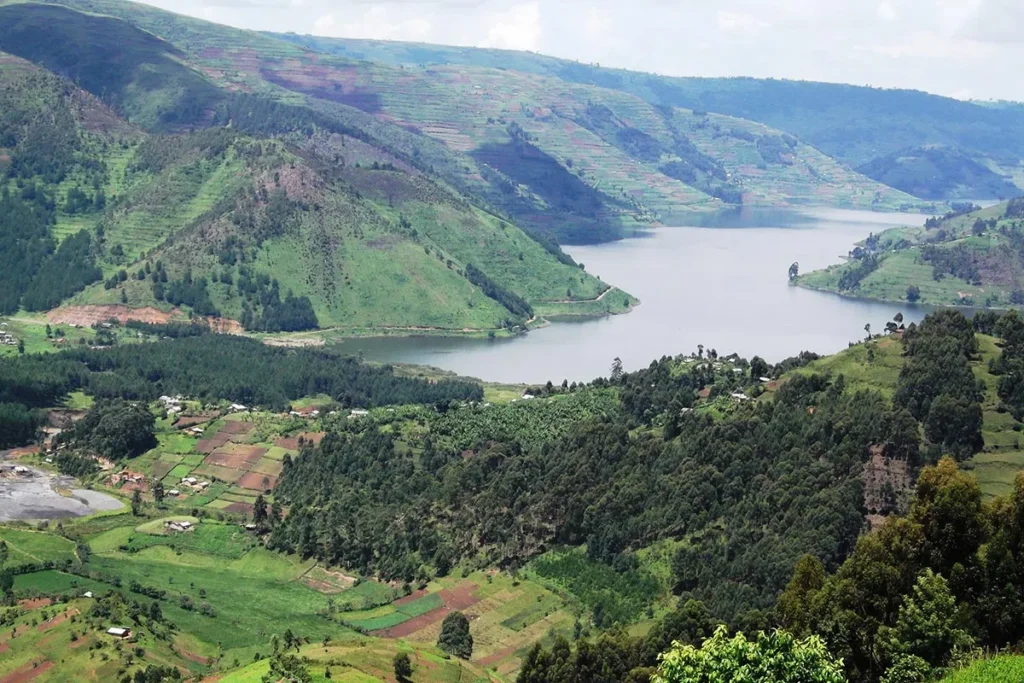
Lake Mburo National Park
Imagine stepping out of your tent at dawn to the sound of zebras grazing just metres away. The savannah glows amber in the early light, a fish eagle calls across a glassy lake, and somewhere deep in the acacia woodland, a leopard is heading home after a night’s hunt. This is Lake Mburo National Park, Uganda’s smallest savannah park, and arguably its most underrated.
What Makes Lake Mburo National Park Special?
When travellers think of Uganda, they think of gorillas. And rightly so, Bwindi Impenetrable National Park is one of the most extraordinary wildlife experiences on earth. Lake Mburo National Park deserves far more than a footnote on your Uganda safari itinerary.
Covering just 370 square kilometres, Lake Mburo is Uganda’s smallest national park, yet it packs a punch with its diversity of natural wonders. In a single day, you can walk on foot among zebras, cruise a hippo-filled lake at sunset, and join a night game drive in search of leopards, all without the crowds you might encounter in Africa’s more famous parks. That intimacy is exactly what makes Lake Mburo so addictive.
At Otter African Safaris, we’ve been bringing clients here for years, and the reaction is almost always the same: “Why haven’t I heard more about this place?”
Where Is Lake Mburo National Park?
Lake Mburo National Park is found in Kiruhura District in Western Uganda, about 30 km east of Mbarara, and approximately 240 km by road west of Kampala. That translates to roughly a three-and-a-half-hour drive from the capital, making it not only Uganda’s closest national park to Kampala, but also the perfect first or last stop on a broader southwest Uganda safari circuit.
Its location on the Kampala–Mbarara highway means Lake Mburo slots seamlessly into any itinerary combining gorilla trekking in Bwindi, chimpanzee tracking in Kibale, or big game viewing in Queen Elizabeth National Park. Many of our clients treat it as a rewarding stopover; those who stay longer rarely wish they hadn’t.
Wildlife at Lake Mburo: What Will You See?
Zebras, Impalas & Unique Antelope
Lake Mburo holds a suite of species found nowhere else in Uganda’s protected areas. The national park is the only one in Uganda with eland, impala, and klipspringer, and is also home to the largest zebra population in Uganda, estimated at around 5,000. Seeing a herd of plains zebra, their bold stripes shimmering against golden savannah grass, never gets old, and here you can do so on foot, a privilege unavailable in most African parks.
Around 1,500 elands roam the park. These are the world’s largest antelopes, stately, spiral-horned animals that carry themselves with an almost regal bearing. They are notoriously shy, which makes a close encounter all the more memorable.
Other antelopes you can expect to encounter on game drives include defassa waterbuck, topi, bushbuck, oribi, bohor reedbuck, and warthog. The latter is always good for a smile as they trot away with their tails raised like little radio antennas.
Hippos, Crocodiles & Lake Life
The park’s five lakes are its soul. Over 300 hippos are found in Lake Mburo Park, and watching them wallow, snort, and occasionally lunge at one another from a boat is one of Uganda’s great wildlife spectacles. Nile crocodiles are equally abundant, draped across sun-warmed banks or slipping silently beneath the surface as your boat passes.
Rothschilds Giraffe
Rothschild’s giraffe, an endangered subspecies, was introduced to the park in 2015 and has settled into the landscape beautifully.
Leopards: Uganda’s Finest
If there is one predator that defines Lake Mburo, it is the leopard. Seeing a leopard in the wild is always special; at Lake Mburo, your chances are genuinely excellent.
Birdwatching at Lake Mburo: A Birders Paradise
Lake Mburo is home to over 315 bird species, making it one of Uganda’s best birdwatching locations. The park is renowned for acacia-associated birds, with some of the best viewing areas found around Rwonyo.
For serious birders, Lake Mburo delivers a checklist that would make any twitcher’s heart race. Highlights include the rare African finfoot, the striking African fish eagle, papyrus gonalek, grey-crowned crane, saddle-billed stork, southern ground hornbill, and Rüppell’s long-tailed starling.
Three otter species also frolic in the lakes’ waters: Congo clawless, Cape clawless, and the spotted-neck otter, a detail that holds a particular fondness for us here at Otter African Safaris.
Safari Activities at Lake Mburo
Game Drives
The classic game drive takes on a fresh quality at Lake Mburo, where the landscape shifts constantly between open savannah, rocky outcrops, dense acacia woodland, and lakeshore, each habitat offering its own cast of wildlife.
Walking Safaris
The classic game drive takes on a fresh quality at Lake Mburo, where the landscape shifts constantly between open savannah, rocky outcrops, dense acacia woodland, and lakeshore, each habitat offering its own cast of wildlife.
Boat Cruises on Lake Mburo
Visitors can take to the water in Lake Mburo on a two-hour boat cruise, which allows the opportunity to watch crocodiles and hippos, hear the iconic call of the African fish eagle, and seek out exciting wetland birds. As the sun dips and the lake turns copper, it is hard to imagine a more perfect way to end a safari day.
Horseback Safaris
For a perspective that even experienced safari-goers rarely encounter, Lake Mburo offers horseback safaris operated from within the park.
Mountain Biking
The park offers an array of guided activities from walking and cycling to horseback safaris and game drives, providing a unique experience of moving amongst the giraffe and zebra in their habitat. Mountain biking trails into the park from Nshara Gate offer an exhilarating way to explore the terrain, blending adventure sport with wildlife encounters.
Cultural Experiences
No visit to Lake Mburo is complete without connecting with the local Ba-Hiima people, an ancient cattle-keeping community that lives around the park, known for their beautiful Ankole long-horned cattle.
Best Time to Visit Lake Mburo National Park
The good news: Lake Mburo can be visited at any time of year, and wildlife viewing is pretty consistent throughout.
The dry seasons, January to February and June to August, bring the best weather and are the ideal time to visit, when animals concentrate around water sources and the roads through the park are at their most accessible. June to August does coincide with peak Uganda safari season, so book ahead.
Don’t rule out a visit during the wet seasons, March to May and September to December, when the valleys turn green, and the air loses its dry-weather haziness.
How to Get to Lake Mburo National Park
The park is accessed by road, approximately 228 kilometres from Kampala, a journey of around three and a half hours. Both are clearly signposted from the main highway.
Why Book Your Lake Mburo Safari With Otter African Safaris?
At Otter African Safaris, we specialise in crafting Uganda safari experiences that go beyond the obvious. Lake Mburo is one of our favourite parks in East Africa, not despite its size, but because of it. It is personal, wild, and wonderfully unspoiled.
Get in touch with the Otter African Safaris team today to start planning your Lake Mburo adventure.
Contact us: info@otterafricansafaris.com or otterafricansafaris94@gmail.com
Visit: www.otterafricansafaris.com
Call: +256773945555 or +256773932802.
